01
Provider connections
Structure provider APIs, file feeds and authentication around each payment workflow.
Integration
Software for provider connections, data mapping, operational rules and downstream delivery across payment workflows.
Payment integrations rarely remain static after launch. Provider fields, statuses, reports, settlement formats and downstream requirements continue to change. Integration keeps those connections and configuration decisions visible instead of leaving them scattered across scripts, spreadsheets and provider dashboards.
Integration
01 / 04
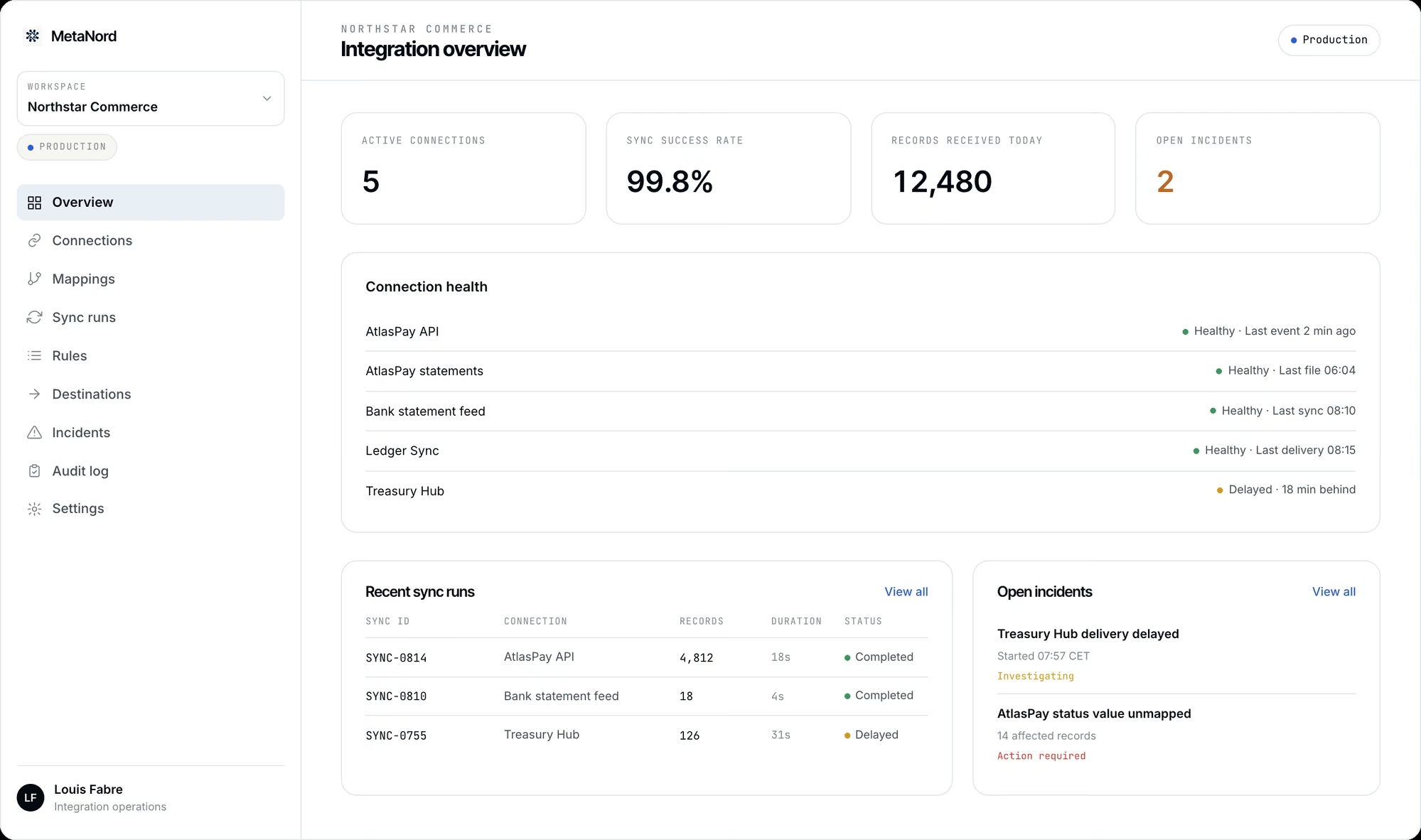
Connections, sync health, incoming records and open incidents stay visible in one operating view, so teams can see where the integration layer needs attention.
Live connections
Provider APIs, statement feeds and downstream systems remain visible with their latest activity, making delays and mapping issues easier to trace.
Integration
01 / 04
Connections, sync health, incoming records and open incidents stay visible in one operating view, so teams can see where the integration layer needs attention.
Live connections
Provider APIs, statement feeds and downstream systems remain visible with their latest activity, making delays and mapping issues easier to trace.
Integration
02 / 04
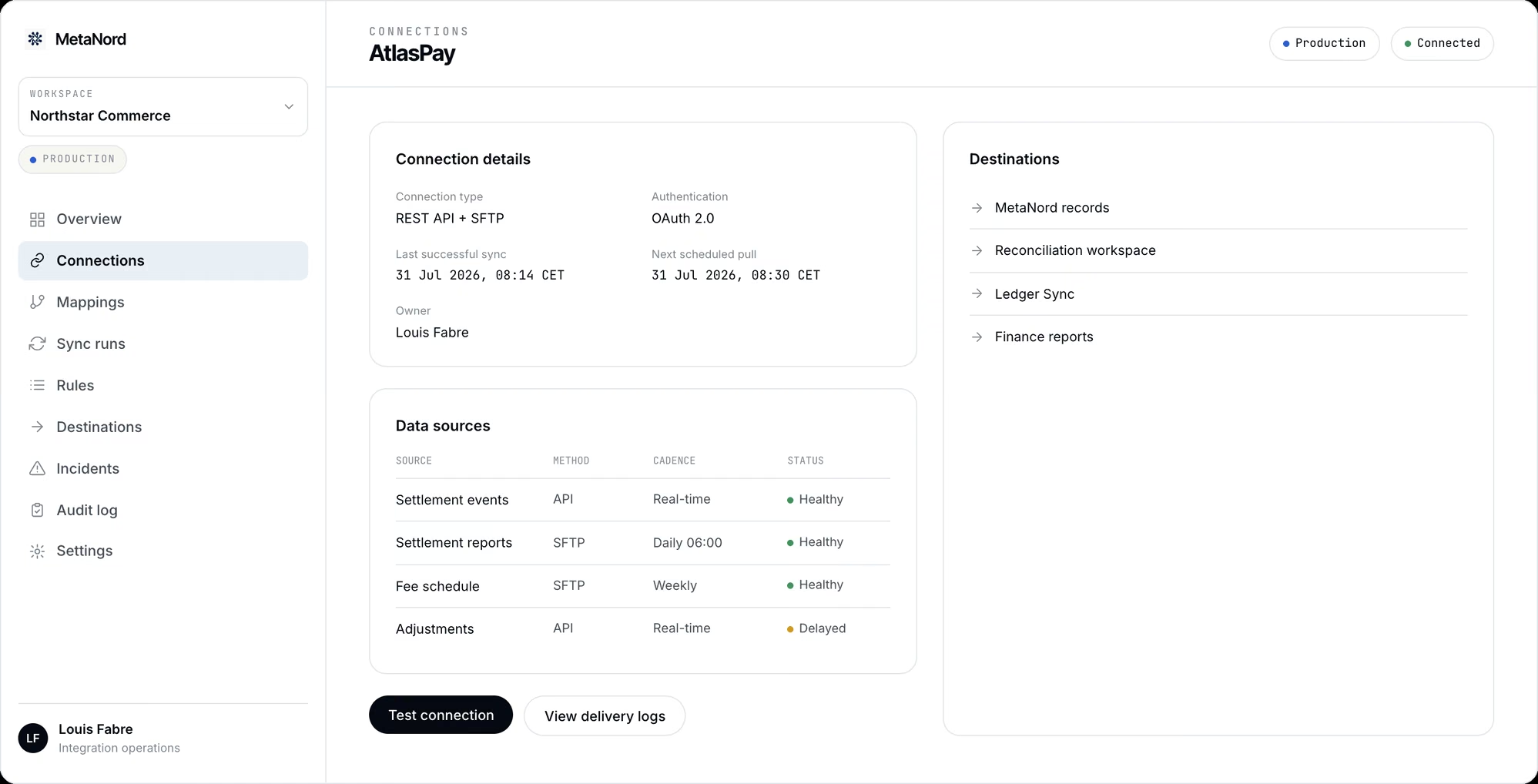
Connection method, authentication, data sources, destinations, ownership and sync timing stay together in one configuration, so teams can understand how a provider connection actually operates.
Integration
02 / 04
Connection method, authentication, data sources, destinations, ownership and sync timing stay together in one configuration, so teams can understand how a provider connection actually operates.
Integration
03 / 04
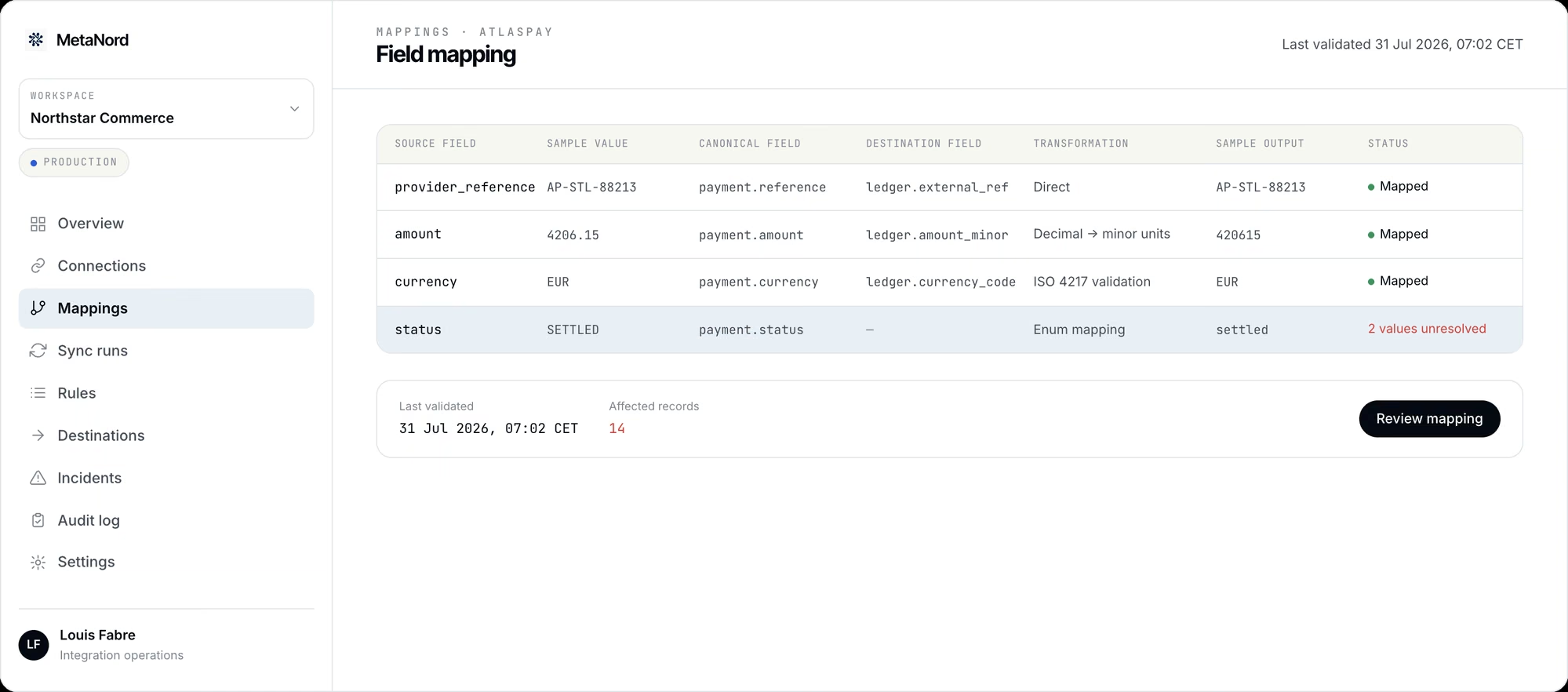
Provider fields are translated into canonical records before they reach downstream systems, keeping references, amounts, currencies and statuses consistent across the workflow.
Mapping control
Mapping status and affected records stay visible alongside the transformation logic, so teams can review new or unmapped provider values at the source.
Integration
03 / 04
Provider fields are translated into canonical records before they reach downstream systems, keeping references, amounts, currencies and statuses consistent across the workflow.
Mapping control
Mapping status and affected records stay visible alongside the transformation logic, so teams can review new or unmapped provider values at the source.
Integration
04 / 04
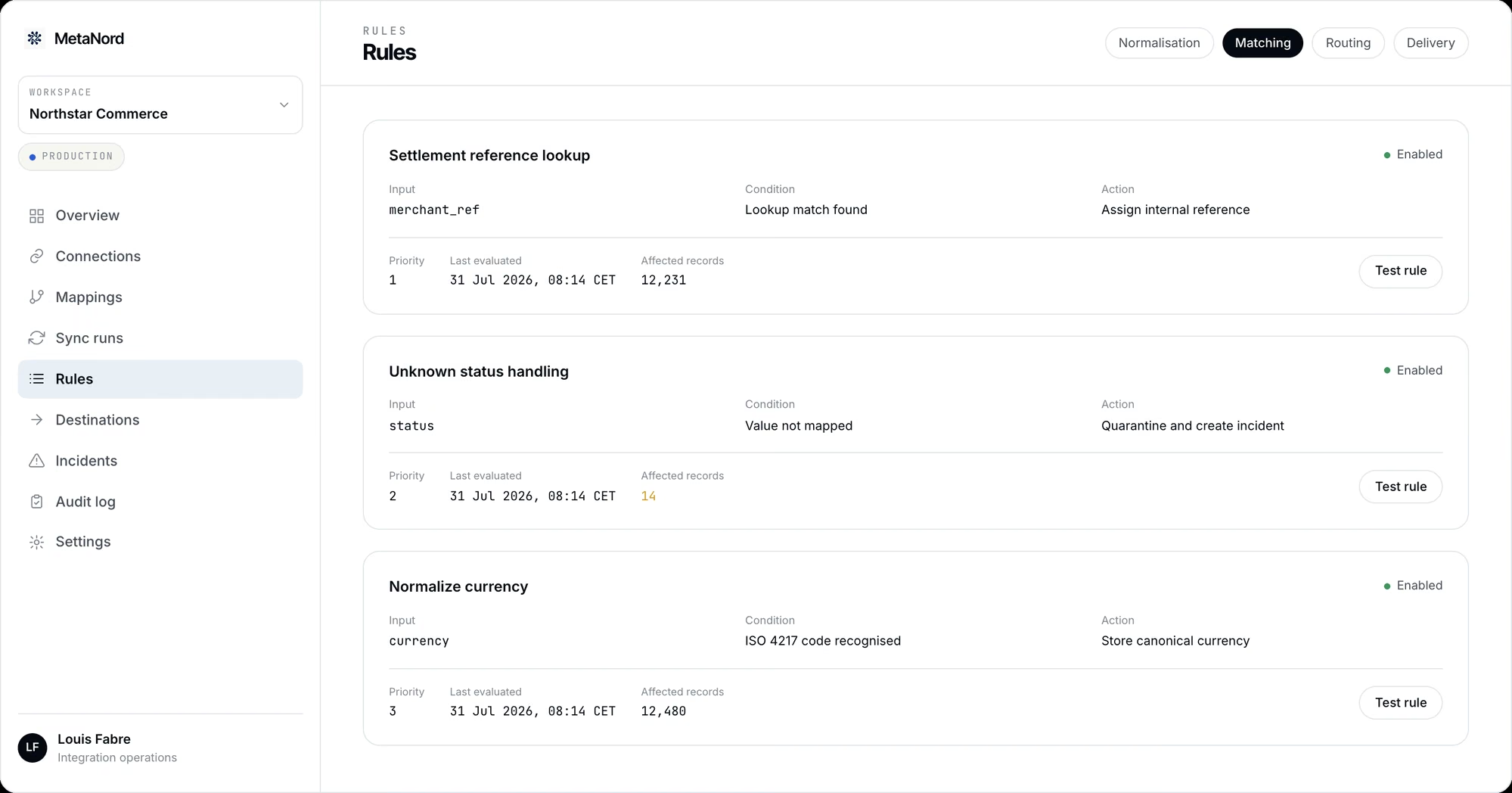
Normalisation, matching, routing and delivery behaviour becomes explicit configuration that teams can review, test and evolve as provider requirements change.
Integration
04 / 04
Normalisation, matching, routing and delivery behaviour becomes explicit configuration that teams can review, test and evolve as provider requirements change.
Capabilities
Provider connections, mappings, rules and downstream delivery remain structured and visible as systems evolve.
01
Structure provider APIs, file feeds and authentication around each payment workflow.
02
Keep sync activity, delivery status and integration incidents visible across connected systems.
03
Translate provider fields into consistent canonical and downstream data structures.
04
Define how amounts, currencies, statuses and references are normalised before delivery.
05
Configure normalisation, matching, routing and delivery logic with visible priority and impact.
06
Route structured records into reconciliation, treasury, ledger and finance workflows.
Use cases
Integration is most useful where multiple providers, evolving data formats or downstream systems create ongoing connectivity and mapping work.
E-commerce
Connect acquiring, PSP and marketplace payment data into consistent internal references and downstream finance workflows.
iGaming
Structure multiple PSP, acquiring and payout connections while keeping provider data and operational rules consistent.
SaaS
Connect recurring-payment providers and billing sources to downstream reconciliation and finance workflows.
Fintech
Normalise provider events, wallet references and internal records across multi-provider payment flows.
Cross-border
Structure payment and settlement information across providers, currencies and reporting sources while preserving traceable references.
Digital goods
Handle high-volume provider events through consistent mappings, validation and downstream routing.
Common connections
Integration can structure provider, banking, finance and data connections around the systems a team already operates.
Works around
Integration structures connections and data mapping around the systems a team already operates, without replacing the providers that execute or settle payments.
Payment providers
Banking & treasury
Finance & data
Wallets & digital assets
Integration outputs